Nature Deficit Disorder: The Hidden Epidemic

In 2019, I found myself in Shenzhen, China—one of those mega-metropolises with a population of 20 million.
Every morning, I woke to the relentless hum of motorbikes weaving through the smog-choked streets. I’d stretch at the window, but the view delivered nothing but a grey expanse of cement, and countless cranes punctuating the skyline.
Walking to school meant weaving through a sea of bodies on concrete sidewalks. I hovered among hundreds, waiting my turn to cross streets clogged with cars. And when evening finally came, I had to shutter the blinds against the neon glow of neighboring towers, their lights blazing long after midnight.
Can you tell I hated city life?My heart ached—for green, for blue, for the raw connection to life beyond steel and sirens.

Not much to complain about when you have views like this everyday- BVI, 2021
Nature as Remedy
Then came Tortola, in the British Virgin Islands—my island sanctuary.
Dawn greeted me with birdsong that felt like balm. I’d emerge onto my ocean-front balcony to witness the sunrise painting the sky in iridescent pinks, while the coral waters below caught the light like glitter across a dance floor.
My drive to work followed a coastal ribbon of road where I'd pause at every rainbow or mango tree bursting with ripe fruit. Weekends blurred between snorkeling clear turquoise seas and lounging on alabaster sand. I ended each day on my west-facing balcony, watching the sunset bleed across the horizon like watercolors spilling over a canvas, the world dissolving into calm.
This—I thought—was just me, a nature lover. But perhaps, deep down, it’s something human.
Why We Crave Nature: An Evolutionary Perspective
Photocred: @leslie_wong
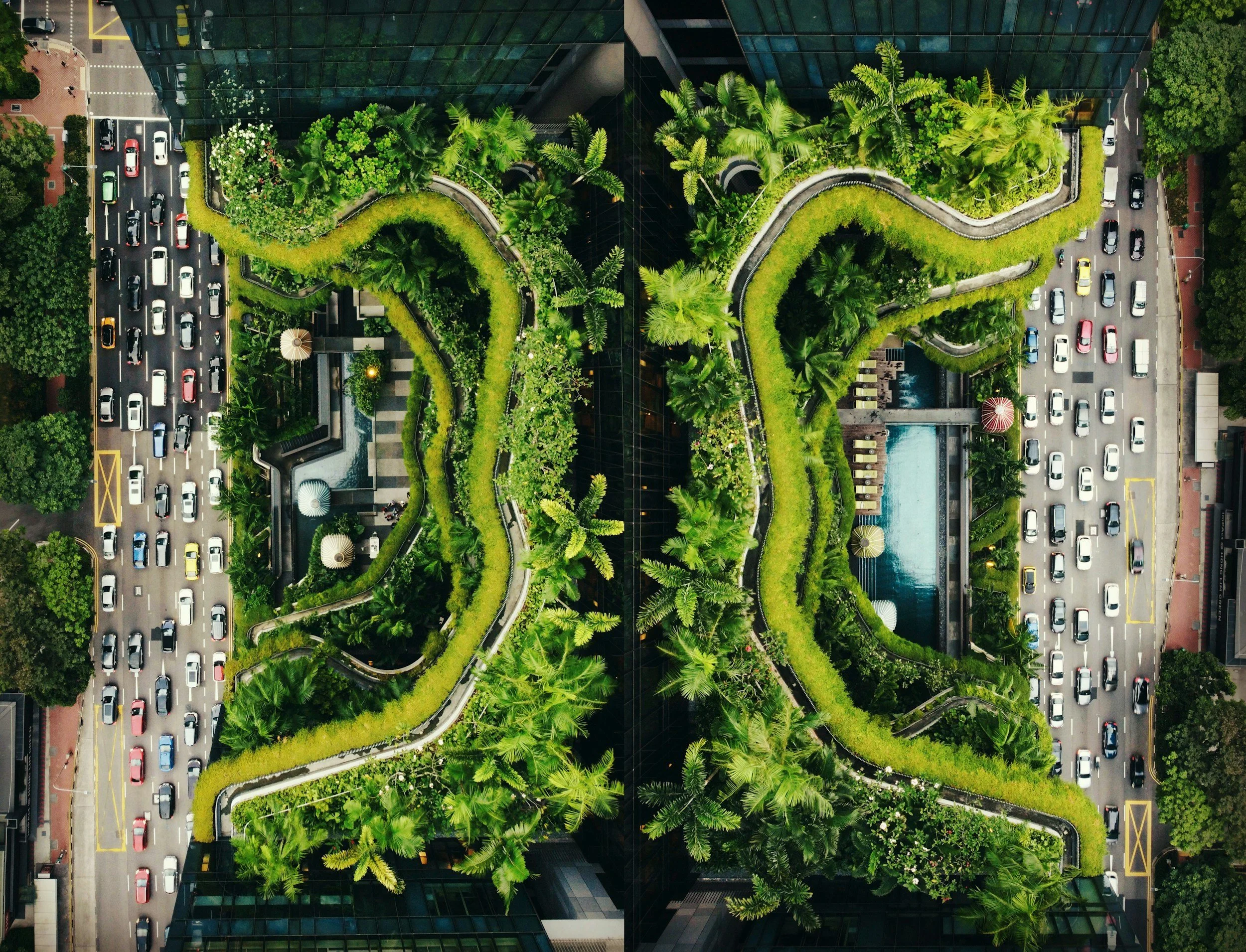
Long before skyscrapers and asphalt, humans lived in forests, savannas, and along rivers. For millions of years, our ancestors’ survival depended on reading the land—tracking prey, finding water, avoiding predators. Our senses, brains, and bodies evolved in constant dialogue with the natural world. The sounds of rustling leaves, the scent of wet earth, the sight of flowing water—all carried information crucial for safety and sustenance.
Modern science calls this innate affinity for nature biophilia. Researchers suggest that our nervous system is “wired” to respond positively to natural environments, triggering lowered stress hormones, improved attention, and emotional restoration. Even today, our brains recognize green spaces and water as cues for safety, food abundance, and opportunity—remnants of the environments where our species thrived.
When we live cut off from nature—surrounded by concrete—we’re missing stimuli our bodies and brains have depended on for millennia. This mismatch helps explain why city life, no matter how opportunistic and convenient, can feel suffocating, why a single tree-lined street can lift our mood, and why time in nature feels primal in its restorative power.
By understanding our evolutionary roots, it becomes clear: the pull toward rivers, forests, and open skies isn’t luxury—it’s biology. Our bodies, hearts, and minds literally crave what our ancestors once relied on to survive. Reconnecting with nature isn’t indulgence; it’s restoration.
Small Doses, Big Impact
You don’t need to escape deep into the wilderness to feel nature’s impact. Research shows that even 10–20 minutes a day outdoors—whether it’s a quiet walk, sitting under a tree, or simply stepping into a garden—can lower stress, improve focus, lower symptoms of anxiety and depression and strengthen mental resilience (Minnesota Department of Health).
Forest Bathing
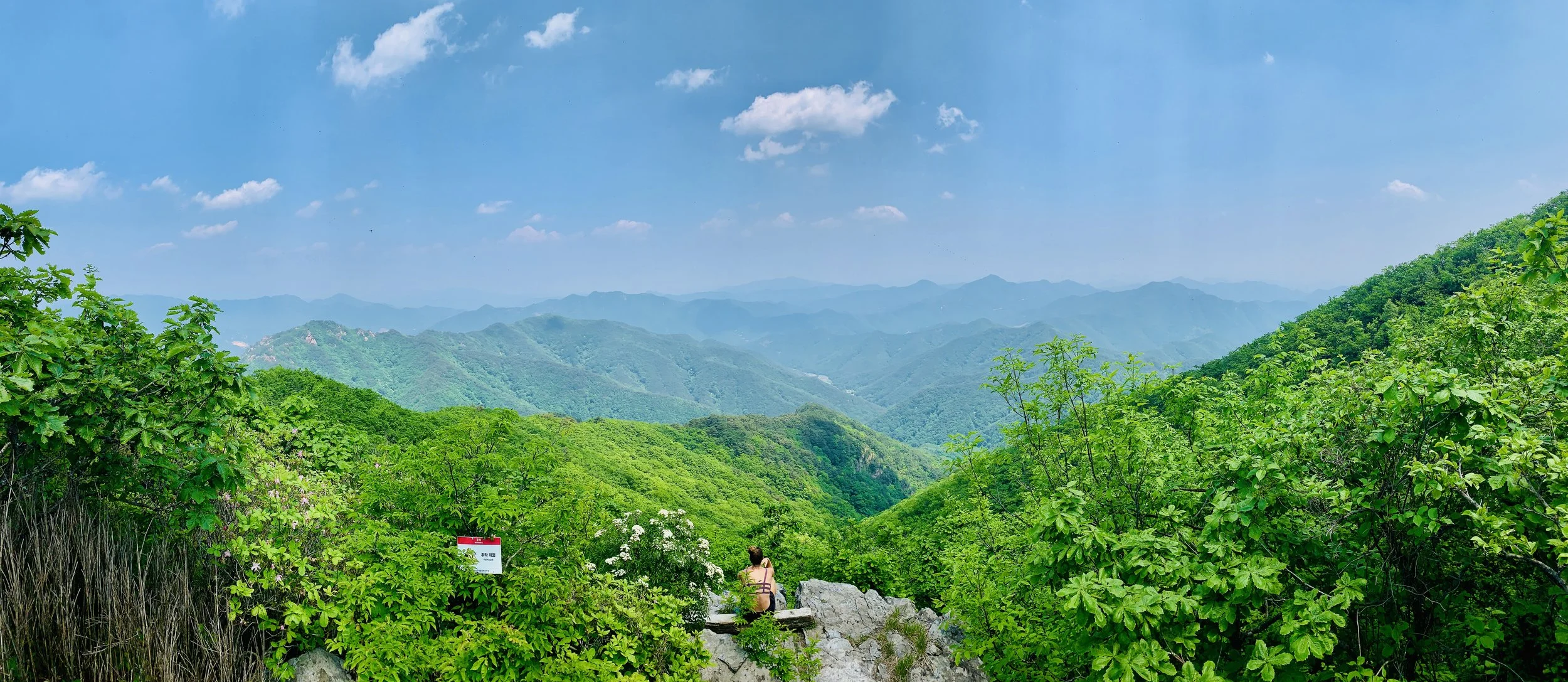
Letting the stillness do the work- Songnisan National Park, South Korea, 2025
In Japanese culture, trees aren’t just scenery—they’re symbols of renewal, balance, and a bridge between humanity and nature.
Forest bathing, or Shinrin-yoku—was coined in Japan in 1982 as a government-endorsed antidote to the nation’s rising epidemic of urban stress and karōshi (‘death from overwork’). The term marked a cultural call to slow down and reconnect with living, breathing forests. Over time, forest bathing was embraced by doctors, corporations, and insurance programs as preventive medicine—its trails and guided experiences woven into national health strategies (japanhousela.comJapan Travel).
The Science: How Forest Bathing Heals
Soothing the Body: One Japanese study showed that participants strolling through a forest showed significantly increased parasympathetic activity (our “rest-and-repair” mode), and suppressed sympathetic arousal (our "fight-or-flight" system), compared to urban walks. (ScienceDirect)
Immune Boost: Forest air does more than calm—it can strengthen. Tree-released compounds called phytoncides (especially from Japanese cypress and cedar) have been found to increase natural killer cell activity, enhancing immune responses and even supporting anti-cancer defenses. (japanhousela.comForest Healing)
Mood & Stress Recovery: Across different age groups and cultures, forest bathing consistently lowers blood pressure, reduces pulse rate, calms negative emotions (like tension and fatigue), and uplifts mood and vigor—even after just a few hours. (PubMed)
Long-Term, Broad Benefits
The power of nature isn’t just in quick mood boosts—it leaves deep, lifelong marks on our mental health. A long-term study in Denmark, which tracked data from more than 900,000 people, found that children who grew up surrounded by green space had a 55% lower risk of developing psychiatric disorders later in life compared to those raised with limited access. That’s not a small effect—it’s larger than many well-known risk factors like family history or socioeconomic status.
For adults, the dose-response relationship is just as striking. Research published in Scientific Reports found that people who spent at least 120 minutes per week in nature—whether all at once or spread across the week—reported significantly higher levels of well-being and lower rates of depression and anxiety compared to those who spent little or no time outdoors (White et al., 2019).
Together, these findings confirm what intuition whispers: green time isn’t just leisure—it’s long-term medicine.
How You Can Reclaim Connection Today
Photocred: @jupp
15 minutes a day: Step outside—sit in shade, touch leaves or soil, breathe deeply. Evidence shows even brief daily exposure uplifts mood and mental clarity (New York Post).
Forest bathing where you are: Even city jungles have trees. Taste the air, listen to birdsong, feel textures—bodily immersion restores.
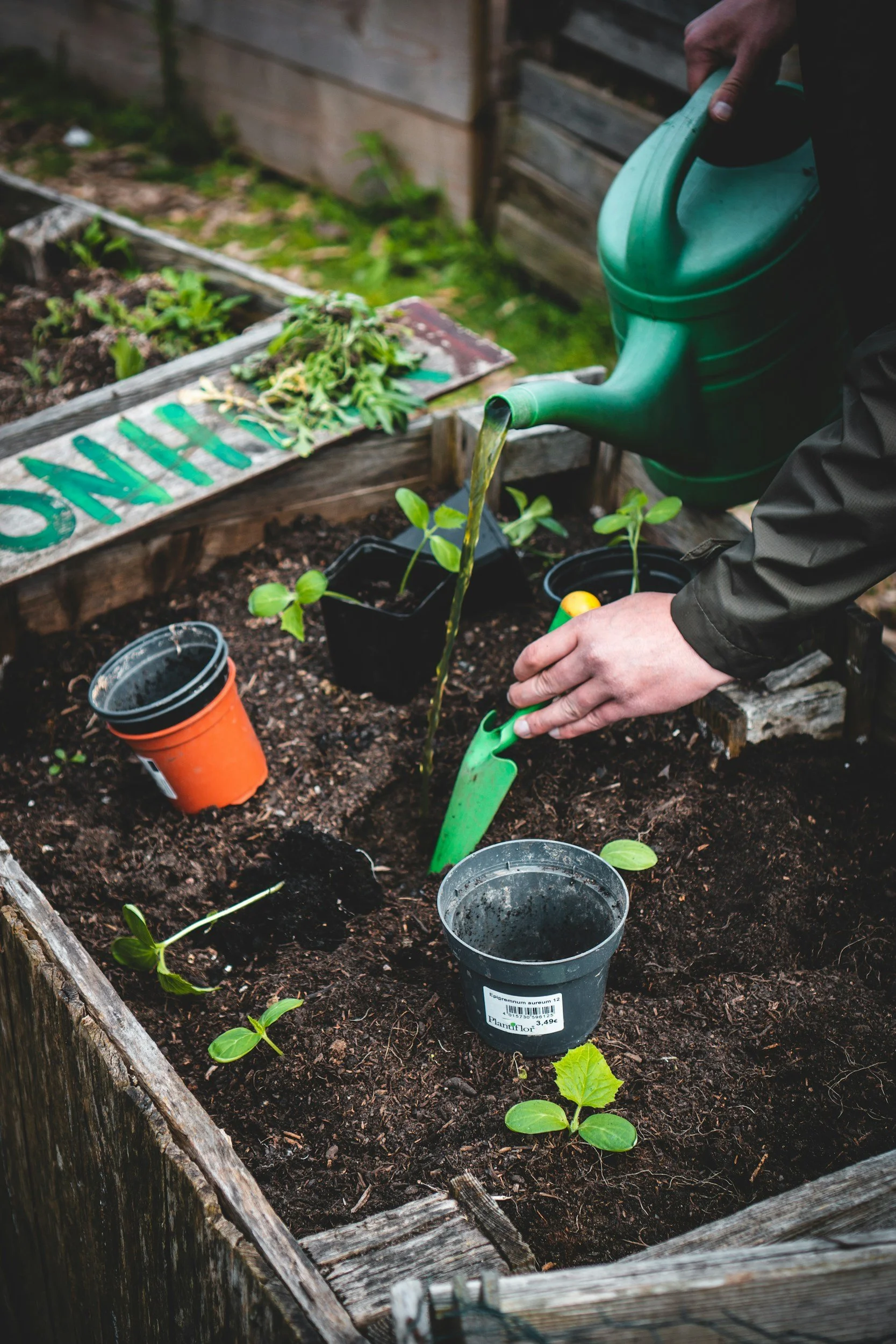
Join a Community Garden: Gardening builds belonging and alleviates stress while connecting you to cycles of growth. Studies show that community gardeners experience higher levels of well-being, resilience, and social connection compared to non-gardeners (Glover et al., 2005, Journal of Community Psychology).
Advocate for green access: Support local green space initiatives—plant trees, beautify neglected areas, champion clean parks.
In Closing: This is Not Just My Story—It’s Ours
From the claustrophobic streets of Shenzhen to the open, forgiving skies of Tortola, my journey isn’t just my own, it mirrors a universal longing for belonging, balance, and breath. The science confirms what the heart already knows: humans need nature. Not someday, but now.
Your need for nature isn’t whimsy—it’s wired into your brain. Seek it daily. Walk barefoot on grass, feel the sun on your skin, inhale the scent of trees, let rivers and skies fill the spaces city walls have stolen. Let your soul remember what it means to belong to the world. Reclaim moments—your mind, body, and spirit will thank you.
Want to Learn More? Recommended Readings
Delve deeper into the profound connection between humans and nature with these insightful books:
Biophilia
Edward O. Wilson's seminal work introduces the concept of biophilia—the idea that humans possess an innate affinity for the natural world. Google Books
Last Child in the Woods: Saving Our Children From Nature-Deficit Disorder
Richard Louv discusses the consequences of children being disconnected from nature and the importance of reintroducing them to the outdoors.
The Nature Fix: Why Nature Makes Us Happier, Healthier and More Creative
Florence Williams examines how nature can improve our mood, health, and creativity.
The Nature Principle
Louv presents a compelling case for the importance of nature in our daily lives and its impact on our health.
Ecopsychology
Clinebell explores the psychological relationship between humans and the natural world, offering insights into healing through nature.
