Unlearning Beauty: A Feminist Guide to Reclaiming Your Body
Photocred: @mbrunacr
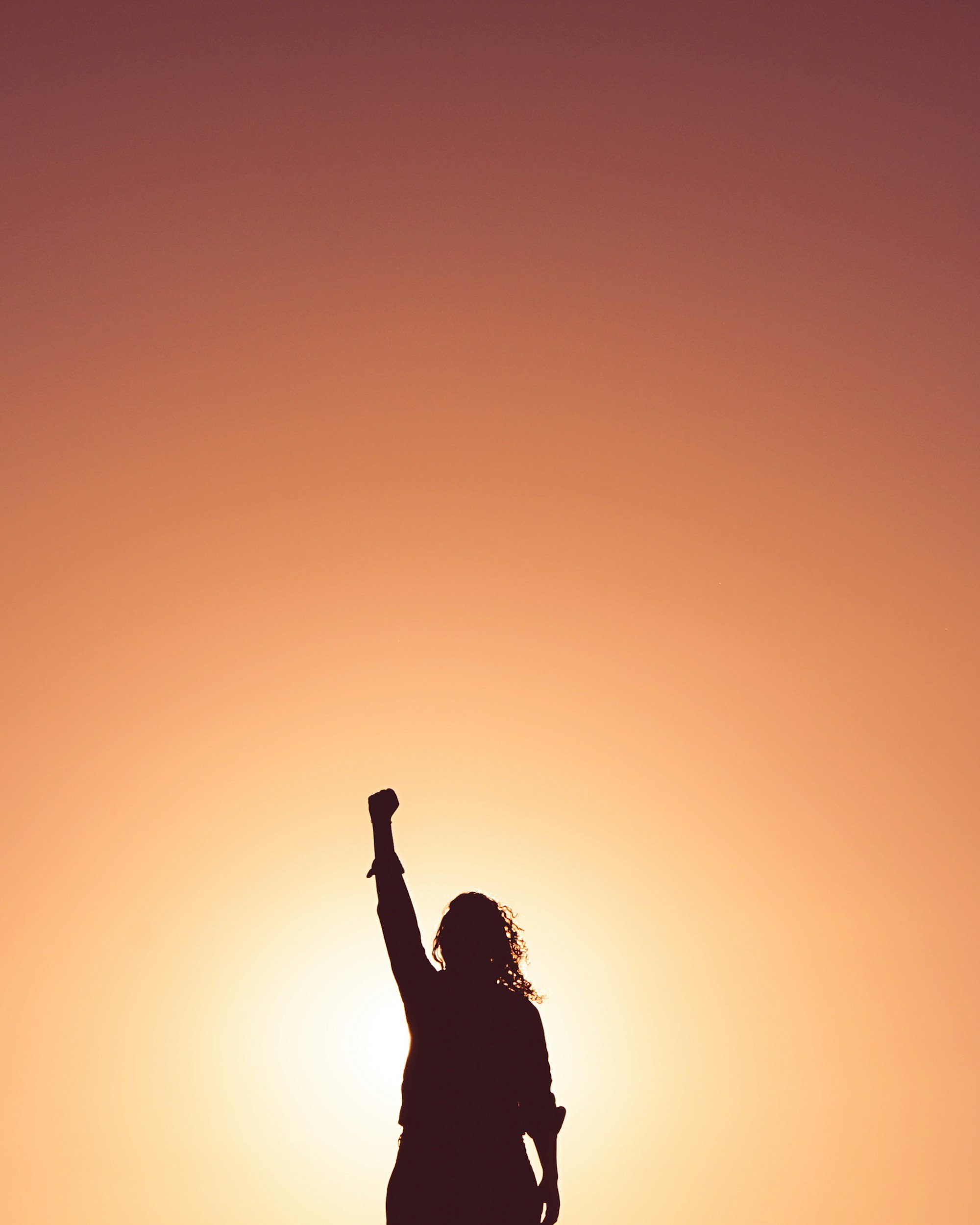
I can’t hold it in anymore — it’s time to let my feminist fire run free.
To understand where I’m coming from, let me take you back to my roots. I was raised in the liberal heart of Northern California — the Bay Area — by a mother who valued intellect over aesthetics. Growing up, whenever someone would say, “She’s so pretty,” my mom would quickly interject, “She’s smart, too.” It wasn’t just a compliment correction — it was a declaration of values.
Later, at the University of California, Santa Cruz, I immersed myself in a progressive academic environment. My major — Community Studies — was essentially a training ground for activists. Our classes tackled the injustices of the food system, mass incarceration, consumer culture, and the fractured state of healthcare in America. Course titles like “Walmart Nation,” “The Power of Nonviolent Resistance,” “Marxism,” and “Community Gardens” shaped the way I see the world.
But it was my feminism courses that left some of the deepest marks. For the first time, I was introduced to the idea that beauty is a myth. Not only is it entirely subjective, but it’s also constantly shifting based on culture, time period, and profit motives.
What Is Beauty, Really? A Moving Target
Let’s be real: “beauty” doesn’t actually exist in any fixed form. Some people admire curves, others prefer slender figures. In 18th-century Europe, fuller bodies symbolized wealth and indulgence. In the ‘90s, we celebrated the skeletal frame. Today, muscular and toned physiques are having their moment. Even hair color is subject to wildly different ideals: the phrase “tall, dark, and handsome” stands in stark contrast to the stereotypical appeal of the sun-kissed surfer with tousled blonde hair.
In a large majority of Asia, beauty standards take a particularly disturbing turn with the widespread use of whitening products. It’s incredibly difficult to find a deodorant, face cream, sunscreen, or body wash that doesn’t have the word “whitening” on the label — and yes, these products contain actual bleaching agents.
In many parts of East and Southeast Asia, pale skin is associated with wealth, status, and elegance, while darker skin has historically been linked to outdoor labor and lower class. So, while women in the Western world line up at tanning salons and slather on bronzing creams to achieve that golden glow, women across Asia are taught to aspire to a porcelain complexion — sometimes at the cost of their health. It's just another example of how global beauty norms contradict one another, yet still manage to make women everywhere feel like they’re falling short.
The Endless Pursuit of “Perfection”
Photocred: @heybeautimagazine
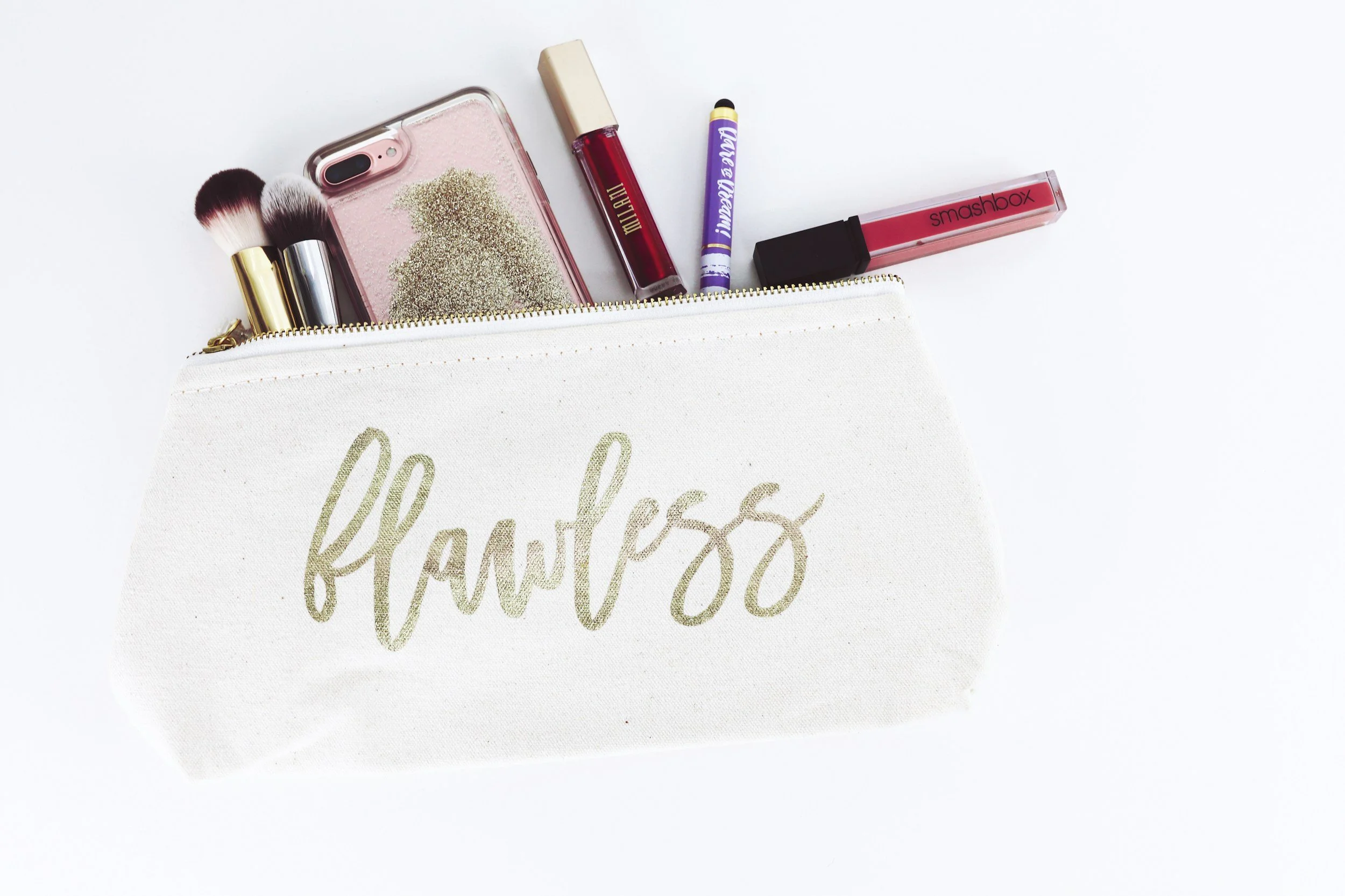
So what does that make our bodies? A lifelong project. A constant renovation site, where perfection always feels just one product, treatment, or workout away.
From the time we’re little girls, we’re taught to identify “our flaws” — and invest time, energy, and money into erasing them.
Got curly hair? You’ll need a straightener. Born with straight hair? Better learn to curl it. Too much body hair? Shave, wax, laser. Hair too thin? Buy a volumizing serum. Too curvy? Slip into shapewear that flattens and conceals. Not curvy enough? Add a push-up bra to “enhance what’s missing.” No matter what we look like, the message is the same: we’re never quite right — never quite enough.
Even “self-care” has been hijacked — marketed as a means to fix ourselves rather than nourish. It’s no longer all about rest or healing, but about performing wellness. We’re encouraged to document it all — from yoga poses at sunrise to color-coordinated smoothie bowls and picture-perfect meditation corners. Every “act of care,” a public performance.
And behind all that performance? Judgment. Not just for what we do — but how we look doing it.

Photocred: @krivitskiy
Shame Is a System
Is it any wonder we’re tired? Tired from striving, contorting, chasing something no one can ever fully attain. Tired of trying to be appealing but not provocative, confident but not intimidating, accomplished but never too ambitious.
This shame — this weight we carry — isn’t natural. It’s built.
It begins early. Girls are blamed for the attention they attract, told to cover up and not tempt. The implication? That our bodies are dangerous. That we are responsible for other people’s thoughts and actions. That it’s our job to manage not only our own behavior, but everyone else’s too. We learn that the way we dress, move, speak, or even exist in a space can invite blame or judgment. We internalize this over time, becoming careful, cautious, always calculating how to stay safe or likable or invisible. And slowly, we begin to believe that we are the problem.
Then, comes the shame of not fitting into ever-changing beauty standards. Laugh lines are vilified as signs of decay rather than joy. A face without makeup is labeled unprofessional. Weight becomes everyone’s business.
Even motherhood doesn’t free us. Instead of reverence for the miracle of life our bodies perform, postpartum bodies are expected to “bounce back” immediately, as though creating life should leave no mark.
Aging brings its own form of cruelty. The very process of living, of enduring, is treated like a problem to be solved. Wrinkles and gray hair — symbols of experience and wisdom — are viewed as defects to be erased.
But remember this truth: all of this is manufactured.
It has been taught, sold, and reinforced — by media, marketing, and a culture that profits off our insecurities.
The shame placed on women — from puberty to menopause and beyond — was constructed. And anything that was built can be torn down.
We can learn to recognize these lies for what they are — and refuse to carry them any longer.
The Change Begins Here
Unlearning shame means embracing what we were taught to hide. It means wearing what makes you feel good, speaking up even when your voice shakes, and remembering that your worth is not tied to your appearance — or anyone else’s opinion.
Every time you choose rest over exhaustion, compassion over self-criticism, and simply allow yourself to be — that is an act of resistance.
This is how we begin to reclaim our bodies. This is how we begin to heal.
Let the feminist fire in you rise. Not to burn yourself out, but to burn down the lies you were sold since birth.
Photocred: @kommumication
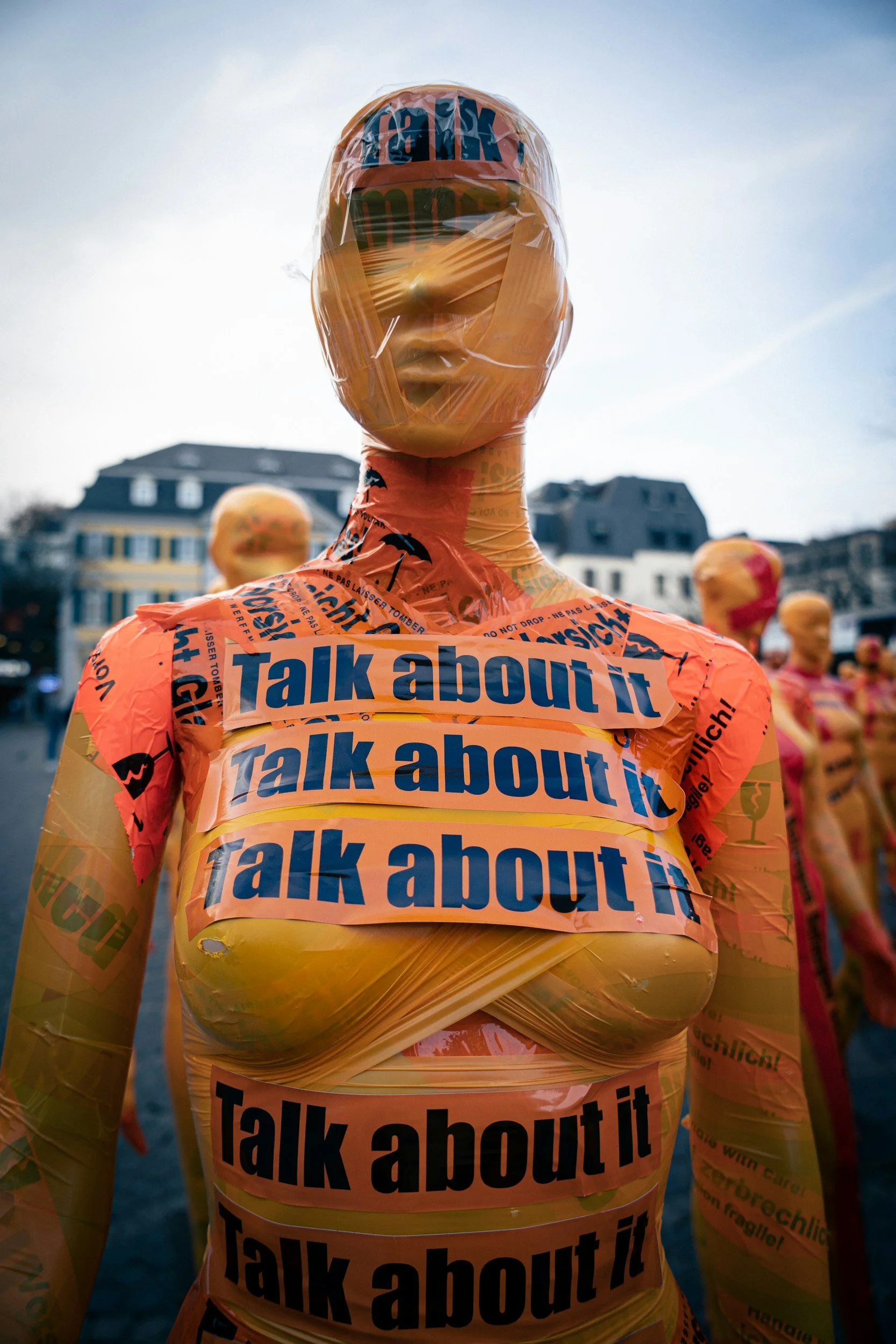
Let’s Talk: What Would Self-Acceptance Really Look Like?
What was the first thing you were taught to feel insecure about?
If you were never exposed to media or cultural beauty ideals, how do you think you’d see yourself?
What have you sacrificed — time, money, health, joy — in pursuit of being “beautiful”?
How would your daily routine change if you were told you were already enough?
Share your reflections in the comments — your story might be exactly what someone else needs to hear today.
