When Cultural Respect Goes Too Far
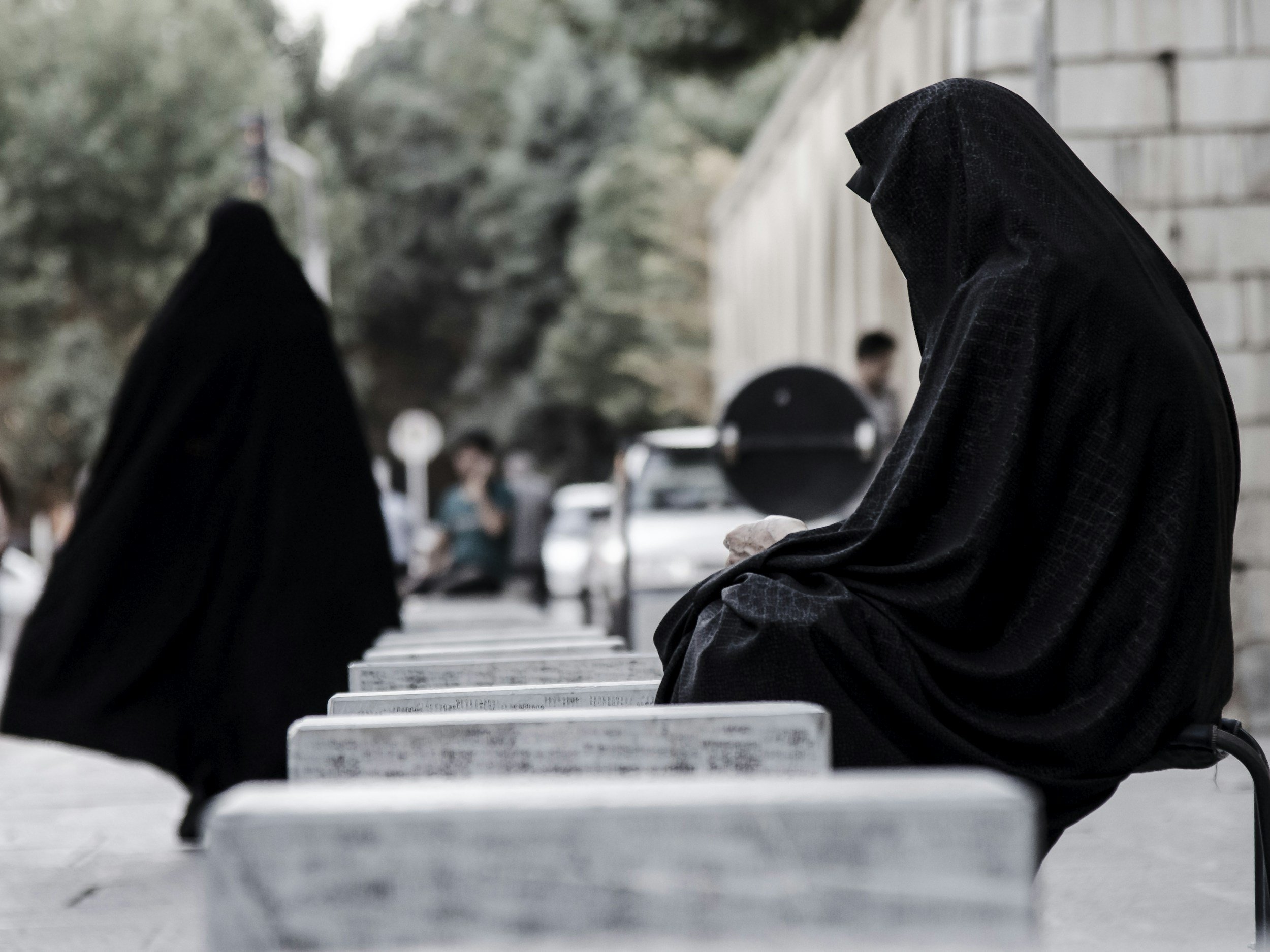
Photocred: @majidbeheshti
As I reflect on our one-year honeymoon journey, one place that continues to stir deep memories is Sumatra, Indonesia. We spent a significant part of our time in the north of the island — a deeply Muslim region where Sharia law governs daily life.
If you’re unfamiliar, Sharia law isn’t just a set of religious guidelines; it’s actively enforced by a separate police force whose sole job is to ensure that people follow Islamic law. They operate by their own standards, and if you break Muslim law, you pay the price — often in harsh and immediate ways.
Love, Lockdowns, and Life in the Sumatran Rainforest
My first encounter with the Sharia of Aceh came back in 2020. I had flown to Sumatra for a two-week holiday but ended up “stuck” there for ten months when the world shut down during the COVID19 pandemic. During that time, I fell into a love affair with a kind-hearted local named Kedito. He was from Bukit Lawang, a peaceful village on the edge of the Sumatran rainforest. Life there was simple and unhurried, cradled by the rhythmic pulse of nature.

Bukit Lawang beauty- Sumatra, Indonesia, 2020
Each morning, I woke to the sound of bird song drifting through the open windows. Monkeys scampered cheekily across the treetops, their long tails swishing as they swung from branch to branch. The village was enveloped in vivid green, the deep emerald of the towering trees, the bright chartreuse of moss creeping along the worn wooden fences, and the lush tangle of vines clutching at every available surface.
A pristine river snaked through the village, its crystal-clear water glinting under the dappled sunlight that filtered through the canopy. We bathed there daily, wading into the cool shallows while the slippery river stones pressed into the soles of our feet. Evenings were marked by the soft hum of cicadas and the crackle of small fires as villagers gathered to cook over open flames.
It felt like a blessed place to ride out the chaos unraveling across the globe — a secret pocket of serenity amid the madness. But after months of quiet village life, the stillness started to chafe. The slow, peaceful days that had once felt like a gift began to feel like a cage. Restless and craving movement, I convinced Kedito to travel with me around Sumatra. Aceh was one of our first stops.
Confronting Sharia
Our introduction to Aceh’s strict adherence to Muslim law was immediate. At a hotel reception desk, the clerk denied us a shared room because we weren’t married.
“Oh no, we are! Very recently!” I lied, hoping to smooth things over.
A skeptical glare was the response. “I need to see your marriage license, ma’am. And photos of your wedding.”
Of course, we couldn’t provide either. We were forced to pay for two separate rooms.
That night, Kedito snuck into my room. Less than an hour later, loud, violent pounding rattled the door. Two men forced their way in, dragged Kedito to his knees, and began shouting at him in the local language of Bahasa.
I stood frozen, heart pounding, as they screamed at him. They threatened to arrest, beat him, and pour scalding water on his penis, an apparently legitimate punishment for breaking Sharia law.
In corrupt countries like Indonesia, money tends to go further than morality.
A bribe, a series of desperate apologies, and Kedito’s Christian background — conveniently listed on his ID (all Indonesian licenses display religious affiliation) — saved us from further punishment. We were let off with a severe warning.
Welcome to Aceh.
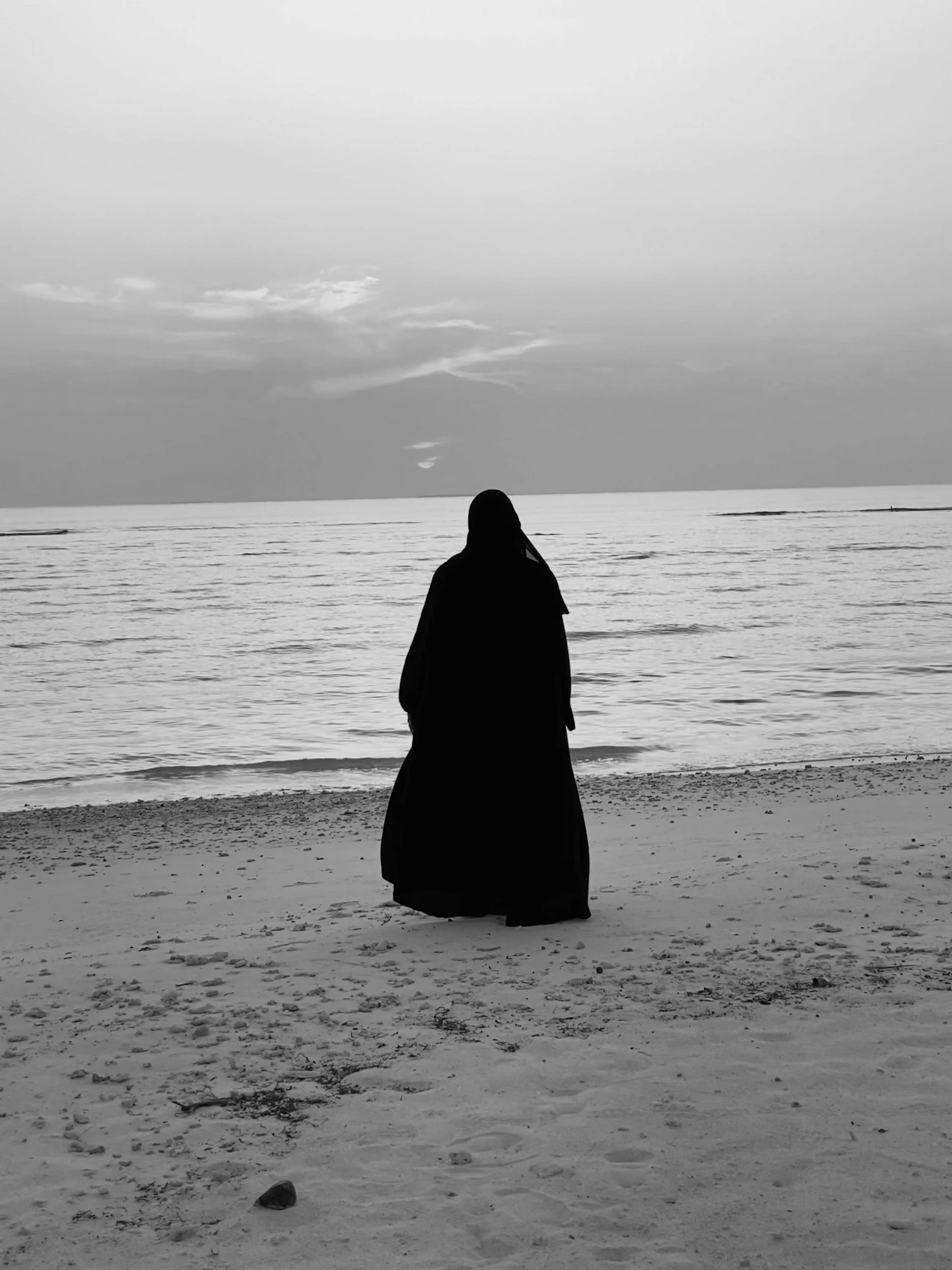
Photocred: @achuna
Returning to Aceh
Years later, I returned to Aceh with my husband, Mat, determined to remain respectful. I covered my body despite the oppressive heat and humidity. Even at the beach, I refused to swim — the idea of wading into the water fully clothed, alongside women in heavy burkas nearly sinking from the weight of wet fabric, felt unbearable.
One afternoon, I watched those same women sweating under layers of black cloth, while young boys ran shirtless and carefree along the shore. I got pissed.
And I started to question.
The Moral Dilemma of Ethical Travel
As visitors in foreign lands, when does respecting local customs cross the line into enabling oppression? At what point does “cultural respect” become complicity in injustice?
As a Western woman raised to believe in personal freedom and equality, I have deep conflicts with certain aspects of traditional Muslim culture. I believe Islam — at its core — is built on love, respect, and the desire to be a good person. But why should I be forced to cover my body on a hot beach because a man can’t control his own mind and impulses? Why is that my burden to bear?
In mosques, men and women aren’t even allowed to pray together. Women are pushed to the back, often hidden behind a curtain — segregated and symbolically diminished. It reminded me of how African Americans were forced to sit at the back of the bus in the 1960s — unequal, unworthy.
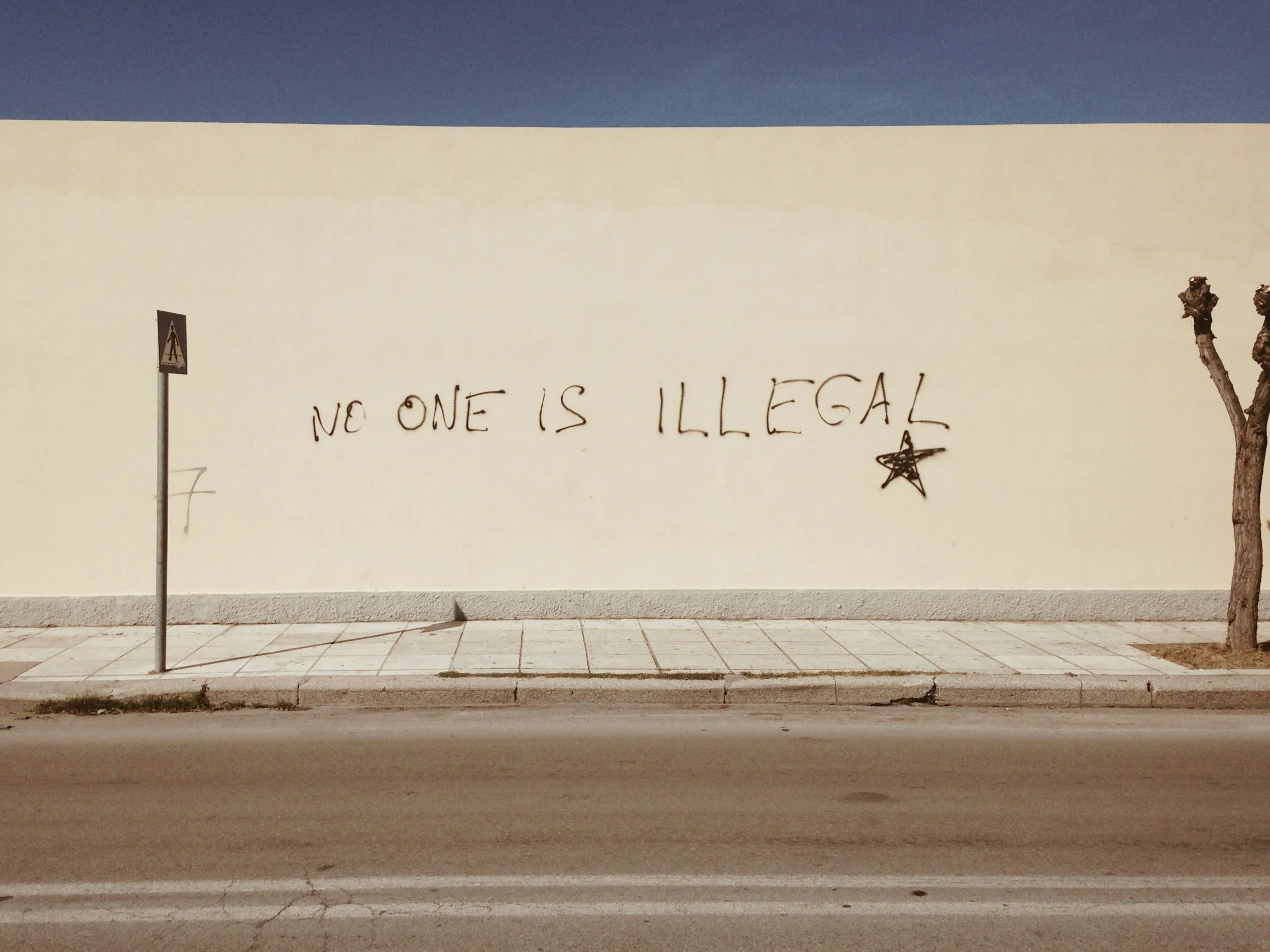
`Photocred: @mikoguz
I’m sorry, but fuck that.
And this questioning goes beyond gender.
What about same-sex couples and the right to be in love and openly express it?
In so many parts of the world, love is still treated like a crime. Illegal. Should we respect those laws? Should people hide who they are and who they love to avoid offending local customs?
Or should we push back? Speak up? Fight for justice, equality, and the right to exist authentically?
Maybe it’s not even about standing up for ourselves — maybe it’s about expanding people’s thinking, helping to shift perspectives toward more modern and equal times.
It’s a fine line — between respect and complicity, between cultural sensitivity and moral integrity.
Let’s Open the Conversation
Where do you draw that line when traveling? When does respect become surrender?
Can cultural traditions and modern human rights coexist?
What role do we play, as travelers, in either reinforcing or resisting oppressive norms?
Drop your thoughts in the comments — I’d love to hear how others navigate this tricky terrain.
