The Hidden Wealth of the Philippines
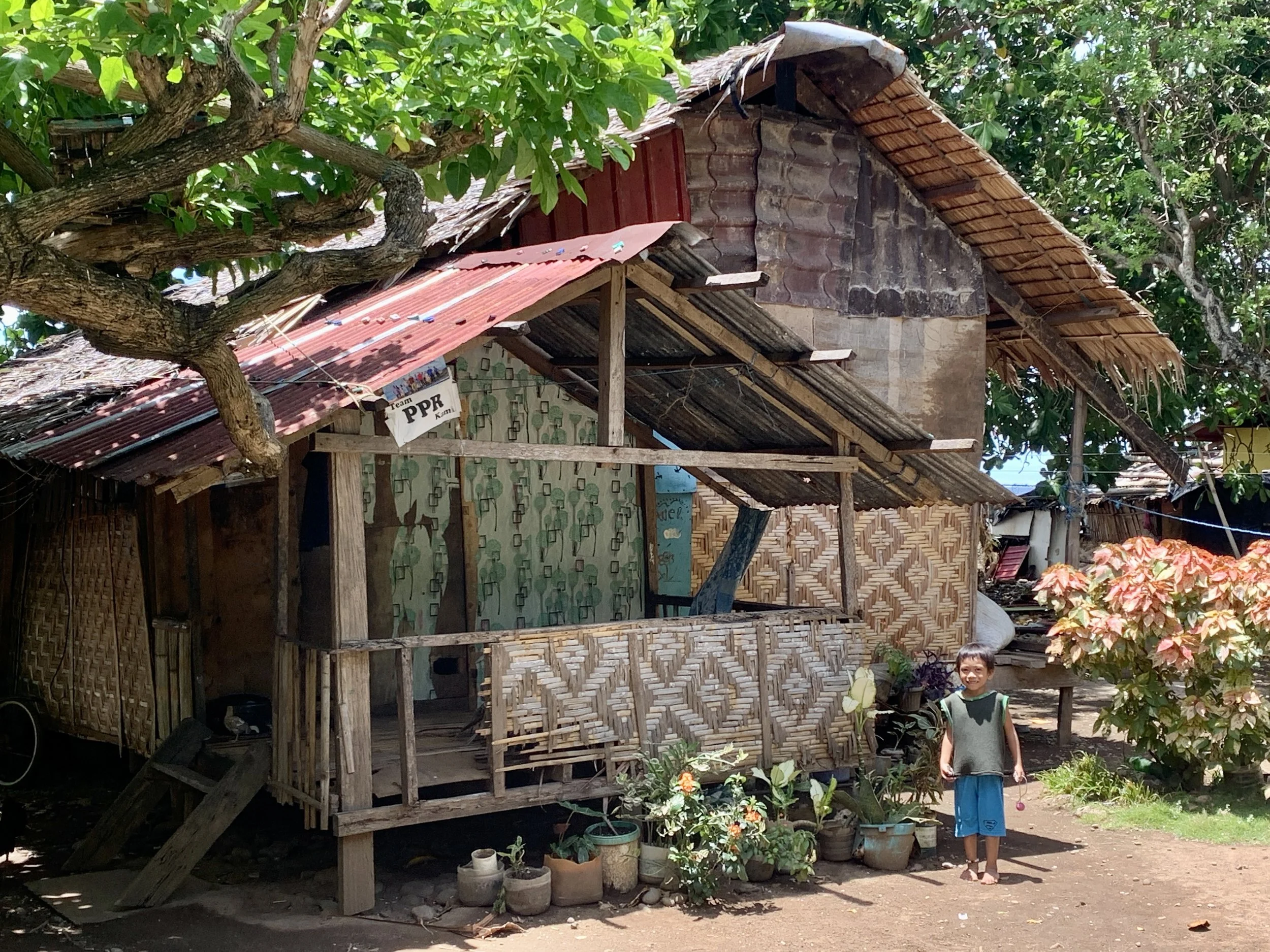
Life built from what’s at hand — where simplicity meets resilience. 🇵🇭 -Camiguin, Philippines, 2025
Riding on the back of our motorbike with my husband, Mat, steering us through narrow village roads, I gripped his waist as we bumped along the uneven path. The loud hum of the engine filled my ears as I took in the world around me. A water buffalo lounged in a muddy patch chewing lazily on grass, while endless rice fields stretched toward the horizon in brilliant shades of green.
And then there were the houses.
They were pieced together from what most people in developed countries would call trash — mismatched plywood, warped from the relentless heat and humidity, with rusted sheets of tin nailed haphazardly to form walls. Plastic bags were patched over holes, while old bike tires held down the thatched roofs against the wind. A colorful line of laundry hung outside, draped across a sagging rope — no room for it inside the cramped one-room shacks. Palm trees swayed gently in the breeze, their fronds casting flickering shadows on the dusty road as the scent of burning coconut husks drifted through the air.
At first, I felt a heavy sadness when I saw these homes. My instinct was to to feel pity. But then I looked closer.
Photocred:mallorcanrelish
Richness Beyond Material Wealth
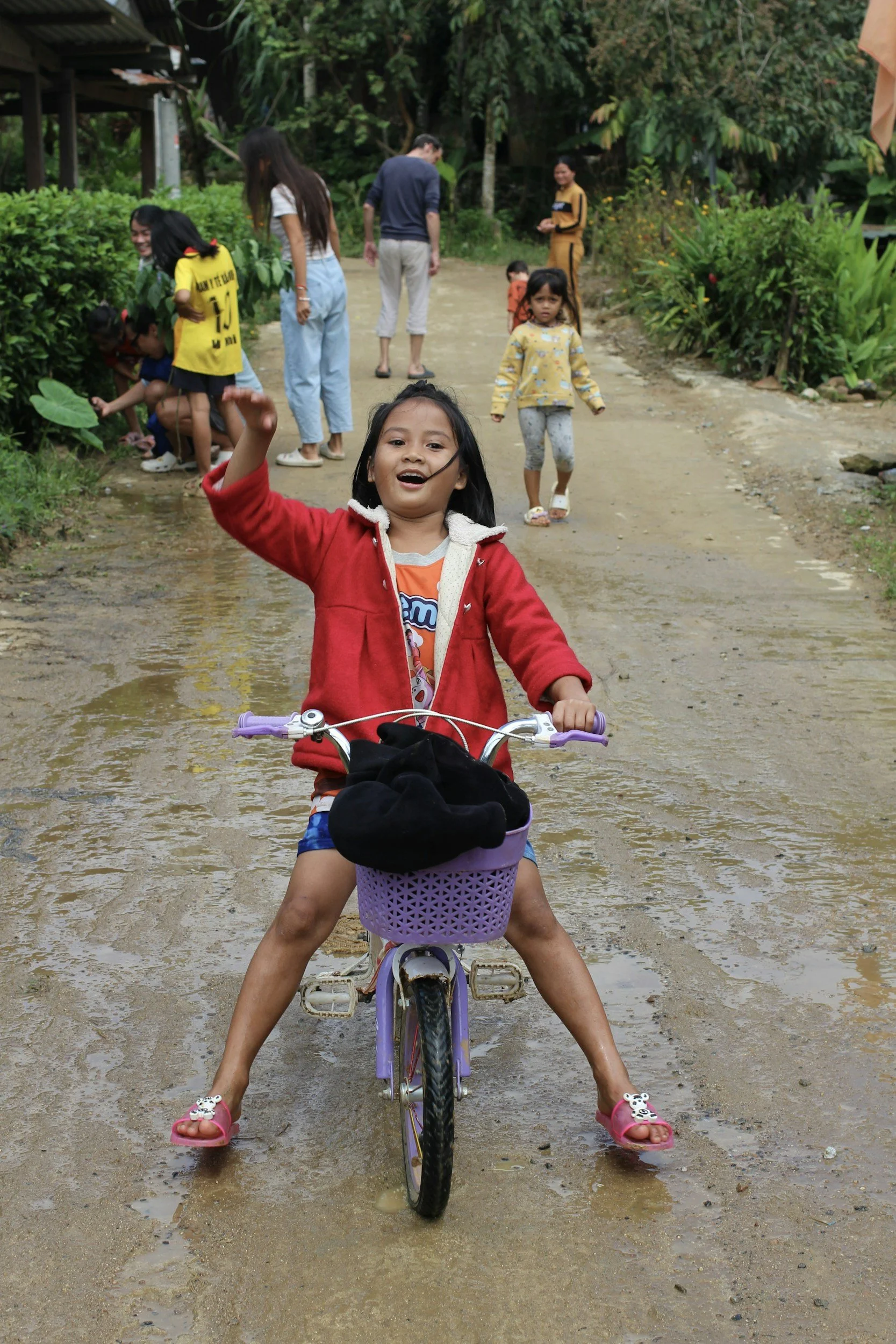
Children dashed through the dirt streets, barefoot and laughing, their faces smeared with dust but alight with joy as they waved and called out, "Hello!" Old women, their skin weathered from years of labor under the sun, chopped wood with effortless strength. Groups of young women gathered on front porches, cooing over babies in their arms, the sound of their soft chatter blending with the clucking of nearby chickens.
Two teenage girls strolled down the street with friendly clasped hands. They carried soap, towels, and toothbrushes in hand, heading toward the river for their daily bath. On arrival, they navigated the rocky path with practiced ease, passing a woman knee-deep in the water, scrubbing clothes on the rocks. The woman’s young son splashed alongside his friends. Their laughter echoed through the air as they jumped on each other’s backs and crashed into the water with an energetic fury.
A few men sat in front of a small roadside shop, a wooden chessboard balanced between them. They were deep in conversation, their smiles easy and frequent. Everywhere I looked — smiles. Connection. A sense of belonging.

Photocred: @anthonytran
The Quiet Loneliness of Modern Convenience
And then my thoughts drifted to home — to America.
A country where modern conveniences are endless — washing machines, dishwashers, hot showers, air conditioners, automation at every turn. And yet, beneath the surface, an unsettling emptiness lingers.
Loneliness has become an epidemic in the wealthiest nations on Earth. Depression rates soar. People drown themselves in pharmaceutical cocktails, trying to numb the quiet ache of isolation. Addiction grips entire communities. The homeless population rises, and even those with roofs over their heads struggle to feel at home.
Despite material abundance, so many feel disconnected — surrounded by people yet profoundly alone.

Photocred: @omilaev
A Culture of Isolation
I’ve come to believe that this crisis stems from the erosion of community.
In America, individualism is celebrated — a relentless climb to success where the message is clear: if you don’t make it, it’s probably your fault.
The hustle mentality is deeply ingrained. It’s normal to sacrifice sleep, balance, and well-being in the name of achievement. Success is measured by what you have, not who you are or the connections you make. The drive to succeed feels like a race that never ends, where what you accumulate is the only proof of your worth.
And while you’re at it— be wary of strangers. Lock your doors. Guard yourself, even from your neighbors.
But in the Philippines, I saw something different.
A predominantly Christian nation, people seemed to live by the message of treating others as they wish to be treated. Strangers smiled and said hello. Neighbors checked in on each other. If someone needed help, they would receive it — no hesitation, no expectation of repayment. Family and community ties remained tight, forming a safety net that no one slipped through.
Poverty of Spirit vs. Poverty of Possession
Yes, financial poverty is a harsh reality. I am fully aware of how fortunate I am to not have been born into a life of poverty, where basic needs like shelter and food are constant struggles.
But there’s another kind of poverty — the poverty of the spirit. The kind that comes from disconnection, from a life without meaningful human bonds.
I’m starting to believe that the truly poor are those who see the kindness of a stranger as an oddity. Who pass people on the street without acknowledging their presence. Who look at the world, and its citizens in fear or contempt. Who sit in their comfortable homes feeling deeply, achingly alone.
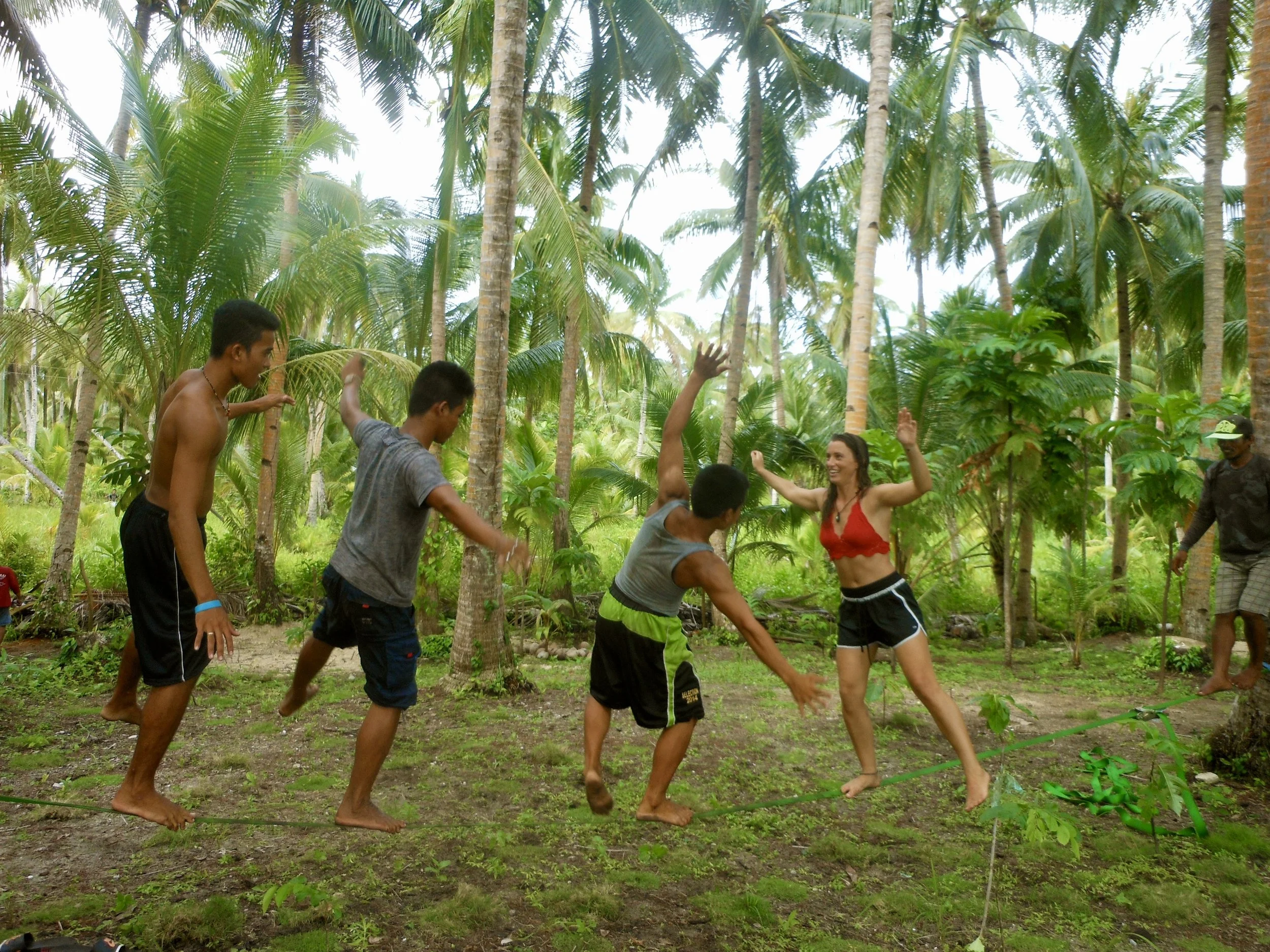
Three new friends, one slackline— the purest kind of wealth. No gadgets, no schedule, just smiles, wobbling steps, and connection. -Port Barton, Philippines, 2017
What the Philippines Taught Me
True wealth is not only measured in GDP or bank balances.
It’s measured in the strength of our human connections. Community. Family. It’s knowing that no matter the situation, you are not alone. And that’s a lesson I hope the rest of the world will learn.
Reflect & Engage
How do you define success?
How do you cultivate meaningful relationships in your life?
Do you feel the pressure of the hustle culture? How do you balance ambition with human connection?
I’d love to hear your thoughts — drop a comment below and let’s discuss!
