Common Traveler Mistakes and How to Avoid Them
Traveling should be an adventure filled with freedom, joy, and discovery—but too often, little mistakes sneak in and turn a dream trip into a logistical nightmare. The good news? Most of these pitfalls are avoidable with just a bit of foresight. Below, we’ll dive into some common traveler mistakes (and some not-so-obvious ones)—and how you can sidestep them to make your journey smoother, safer, and more memorable.
1. Overpacking

Photocred: @carlos08
Dragging giant suitcases across cobblestones in Rome or trying to fit them into the back of a tuk-tuk in Thailand is not a fun way to start your trip. Overpacking doesn’t just weigh you down physically—it limits your flexibility.
How to avoid it:
Stick to versatile clothing you can rewear. (Yes, wearing the same shirt twice is not a crime!)
Remember: you can buy clothes and souvenirs abroad. They double as functional items and travel memories.
2. Flashing Valuables
A shiny watch or a brand-new camera can make you an instant target in unfamiliar places. Even in relatively safe countries, drawing attention to your valuables is an unnecessary risk.
How to avoid it:
Keep gadgets tucked away unless you need them.
Use an anti-theft bag.
Leave heirlooms and flashy jewelry at home.
💡 Not every country has the same safety norms as yours. Blending in is the best security measure.
3. Trying to Do It All (a.k.a. Death by Itinerary)
Travelers often cram their days with back-to-back tours, museums, and restaurants, turning their “vacation” into a military schedule. The result? Exhaustion and blurry memories of where you’ve even been.
How to avoid it:
Prioritize a few must-dos and leave the rest for spontaneity.
Embrace slow travel. Spending a whole afternoon sipping coffee and people-watching can be just as enriching as hitting three museums.
Remember: less is more. The best travel memories are often unplanned.

Photocred: @anadziubinzka
4. Underestimating Airport Security & Timing
Few things ruin a trip faster than missing your flight. Security lines can snake longer than expected, especially during peak holiday periods. Don’t let a last-minute airport dash be your first cardio workout of the trip.
How to avoid it:
Arrive at least 2–3 hours before an international flight.
Have your liquids, electronics, and documents ready for screening.
5. Ignoring Hidden Bank Fees
Swipe your card abroad without checking first, and you could be hemorrhaging money on ATM withdrawals and foreign transaction fees.
How to avoid it:
Use travel-friendly banks or services like Wise (TransferWise), Revolut, or Charles Schwab (with no fees at every ATM worldwide!).
Always withdraw in the local currency.

Photocred: @polarmermaid
6. Forgetting to Learn Local Laws and Customs
Culture shock isn’t just about new food or language—it’s often about the rules you didn’t know existed.
In Singapore, chewing gum is banned and even something as small as spitting on the ground can earn you a fine. In Dubai, public displays of affection, swearing, or making rude hand gestures can get you into serious trouble, and drinking alcohol is restricted to licensed venues. Japan has its own subtler rules of etiquette—talking loudly on trains or eating while walking in public won’t land you in jail, but it will definitely earn you disapproving looks. In Italy, especially in cities like Florence and Rome, eating or drinking while sitting on church steps, monuments, or near fountains can result in unexpected fines. Kenya enforces one of the strictest environmental laws in the world with a nationwide ban on plastic bags, so even packing them in your luggage could get you into trouble. And in Indonesia, particularly in conservative Muslim regions like Aceh or rural villages, modest dress is expected—covering shoulders and knees goes a long way toward showing respect and avoiding unwanted attention.
How to avoid it:
Research local laws before you go.
Learn at least a few cultural “dos and don’ts.”
When in doubt, follow the locals’ lead.
👉 When you take a little time to research the laws and customs of your destination it shows genuine respect for the culture you’re stepping into.
7. Taking a “Quick Nap” on Arrival

Photocred: @joyceromero
It’s tempting to collapse into bed after a long flight, but that “quick nap” often spirals into full-blown jet lag.
How to avoid it:
Move around, hydrate, and resist the pillow until nighttime.
Get outside—sunlight resets your body clock.
8. Skipping Travel Insurance (Because “Nothing Will Happen”)
Optimism is great—but accidents, food poisoning, or foreign diseases happen. Without insurance, you’re one broken bone away from a massive bill.
How to avoid it:
Always get travel insurance.
Read the fine print: does it cover adventure activities, motorbike accidents, high altitude adventures, or medical evacuation?
Think of it as peace of mind, not wasted money.
9. Forgetting to Inform Your Bank
Imagine being on a remote Indonesian island, hungry, needing transport back to your hotel—only to discover all your cards have been blocked because your bank thinks you’re being scammed. (Yes, this actually happened to me.)
How to avoid it:
Call your bank before traveling. Notify them of your travel dates so they don’t freeze your account.
Carry a small stash of emergency cash.
10. Ignoring Sleep and Hydration on Travel Days
Travel is exhausting. Dehydration and sleep-deprivation make you more irritable, more likely to get sick, and less able to enjoy your first few days abroad.
How to avoid it:
Drink water, not just airport coffee or plane wine.
Move around on flights to avoid stiffness.
Treat your body kindly—it’s your best travel gear.
Photocred: @s_hietsch
11. Relying Only on Google Maps
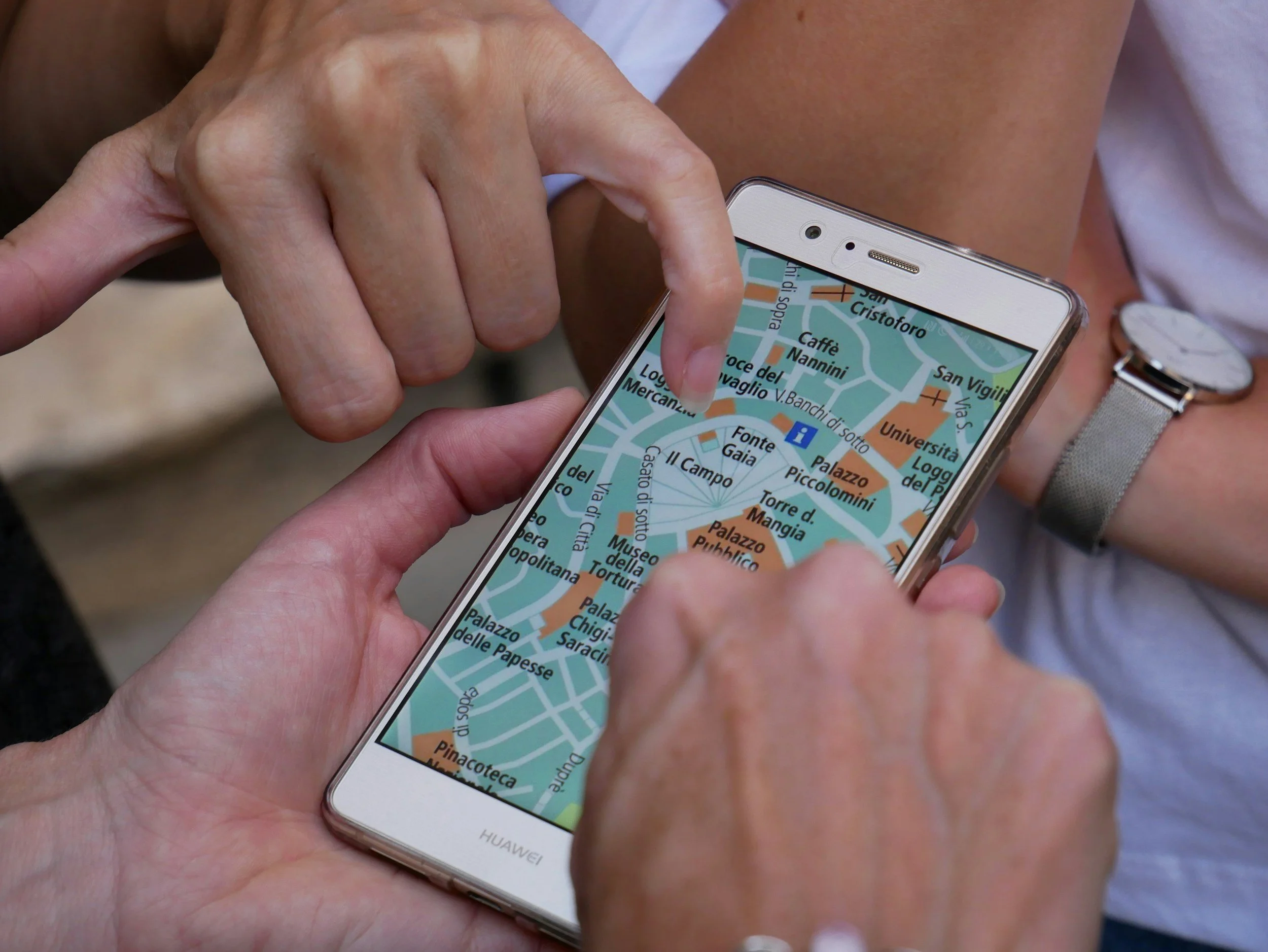
Google Maps is amazing… until you’re in South Korea, the British Virgin Islands, the multi-layered city of Hong Kong (Google sometimes struggles to differentiate between elevated walkways, underground tunnels, and street level), or anywhere with poor data service.
How to avoid it:
Download offline maps in advance.
Research what locals actually use in your destination—Naver Map or KakaoMap in South Korea, Baidu Maps in China, or Maps.me in off-the-grid destinations.
When in doubt, ask a local. People often know shortcuts and hidden paths technology hasn’t figured out yet.
12. Assuming You’ll “Sort Phone Data When You Land”
One of the most overlooked travel headaches happens before your trip even really begins: connectivity.
A lot of travelers land in a new country assuming they’ll “just grab a SIM card at the airport” or “figure out Wi-Fi when they arrive.” In reality, that usually means standing in long queues at overpriced airport kiosks, trying to decipher local SIM plans while jet-lagged, or realizing your phone needs that tiny SIM ejector tool you definitely didn’t pack.
And in that gap—between landing and getting connected—you lose something valuable: ease.
No maps. No quick Uber. No way to message your accommodation. Just that stressful limbo of being physically somewhere new but digitally cut off.
How to avoid it:
This is where eSIMs (like Airalo) change the experience.
You can install your eSIM before you leave home and then activate it once you land.
That means when you step off the plane, your phone just… works. No kiosks, no paperwork, no hunting for Wi-Fi at arrivals. You can order transport, open maps, or message your hotel immediately.
👉 Try it here before your next trip: Airalo eSIM
Final Thoughts: Travel Smart, Not Hard
Most travel mistakes stem from one thing: assuming things will go the way they do at home. By planning ahead, staying flexible, and remembering that travel is about experience, not perfection—you can avoid the stress and focus on the joy.
The best souvenir is peace of mind.Everything else is a bonus.
